Cheque Bounce Law: Safeguarding Trust in Financial Transactions
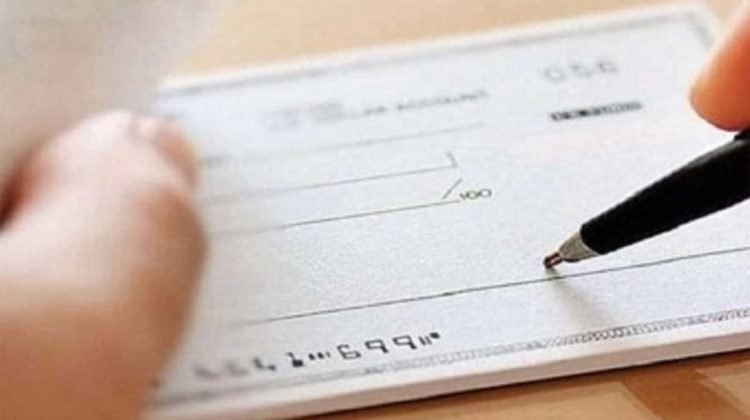
A cheque is more than just a piece of paper—it represents trust, credibility, and assurance in financial dealings. However, when a cheque is dishonored due to insufficient funds or other reasons, it not only causes financial loss but also shakes business and personal relationships. To address this, Indian law provides strict provisions under the Negotiable Instruments Act, 1881.
📌 Key Provisions of Cheque Bounce Law:
✔️ Section 138 of the Negotiable Instruments Act – Establishes that cheque dishonor due to insufficient funds is a punishable offense.
✔️ Legal Notice Requirement – The payee must issue a demand notice within 30 days of cheque dishonor.
✔️ Timeline for Payment – The drawer of the cheque gets 15 days to make the payment after receiving the notice.
✔️ Penalty & Punishment – In case of non-payment, the offender may face imprisonment up to 2 years or fine up to twice the cheque amount, or both.
📌 Common Grounds for Cheque Bounce:
✔️ Insufficient funds in the account
✔️ Signature mismatch or overwriting
✔️ Account closure before presentation
✔️ Cheque validity expired
📌 Why Legal Assistance is Crucial:
Navigating cheque bounce cases requires timely legal action, proper documentation, and strategic representation. Lawyers assist in:
-
Drafting & sending legal notices
-
Filing complaints under Section 138
-
Representing clients in trial & appeals
-
Negotiating settlements to protect business relations
✅ Conclusion:
Cheque Bounce Law reinforces accountability and financial discipline in transactions. Whether you are a victim seeking recovery or an accused requiring defense, legal expertise is key to safeguarding your rights and interests.