“Crossing the Line: Penal Consequences of Cheque Dishonor”
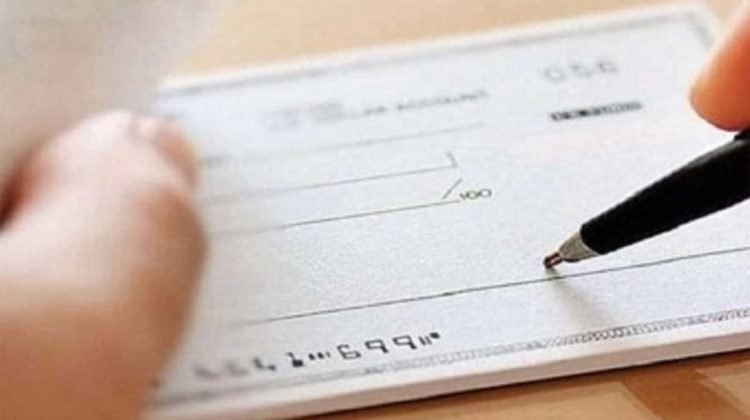
A cheque is more than just a payment instrument—it’s a promise backed by trust. When that promise breaks, it not only affects financial dealings but can also trigger serious legal consequences. The dishonor of a cheque, commonly known as a cheque bounce, is a growing concern in commercial transactions and personal dealings alike.
In India, the law takes this breach seriously, especially when it affects credibility and commerce. This article dives into the legal framework, penal consequences, and remedies available when a cheque crosses the line from a financial tool to a legal liability.
What Constitutes Dishonor of a Cheque?
A cheque is said to be dishonored when the bank refuses to pay the amount stated in it, usually due to:
-
Insufficient funds
-
Account closure
-
Mismatch in signature
-
Stop payment instructions
-
Post-dated or stale cheque presentation
When such dishonor occurs, it leads to the loss of trust and financial inconvenience for the payee and may lead to criminal prosecution under Section 138 of the Negotiable Instruments Act, 1881.
Legal Framework: Section 138 of the NI Act
Section 138 of the Negotiable Instruments Act, 1881 governs the dishonor of cheques in India. It criminalizes the act of issuing a cheque that is later returned unpaid due to insufficient funds or other specified reasons.
Key Essentials for Action Under Section 138:
-
The cheque must be issued for discharge of a legal liability or debt.
-
The cheque must be presented within 3 months from the date of issuance.
-
Upon dishonor, the payee must send a written demand notice to the drawer within 30 days of receiving the dishonor memo from the bank.
-
The drawer is given 15 days from receipt of the notice to make the payment.
-
If the payment is not made, the payee may file a criminal complaint in court within 30 days after the expiry of the 15-day grace period.
Penal Consequences
If proven guilty under Section 138, the offender may face:
-
Imprisonment of up to 2 years
-
Fine up to twice the cheque amount
-
Or both, depending on the court’s discretion
This penal provision is aimed at ensuring credibility in financial transactions and discouraging wilful defaults.
Civil and Criminal Remedies
In addition to the criminal action under Section 138, the payee may also:
-
File a civil suit for recovery of the cheque amount with interest.
-
Seek compensation and damages.
-
Apply for summary proceedings for quicker disposal in certain jurisdictions.
Some states also permit compounding of the offence—allowing the matter to be settled between the parties upon compensation, even after legal proceedings have started.
Preventive Measures for Drawer and Payee
For Drawer (Issuer):
-
Ensure sufficient balance before issuing cheques.
-
Avoid issuing post-dated cheques without a clear repayment plan.
-
Maintain consistent signatures and accurate details.
For Payee (Receiver):
-
Present the cheque on time.
-
Keep a record of dishonor memos and notices.
-
Send a well-drafted legal notice promptly through a legal professional.
Conclusion: Upholding Financial Integrity
Cheque dishonor is not merely a financial slip—it is a breach of trust that can attract serious legal action. Understanding the penal consequences, legal timelines, and preventive steps is crucial for both businesses and individuals.